
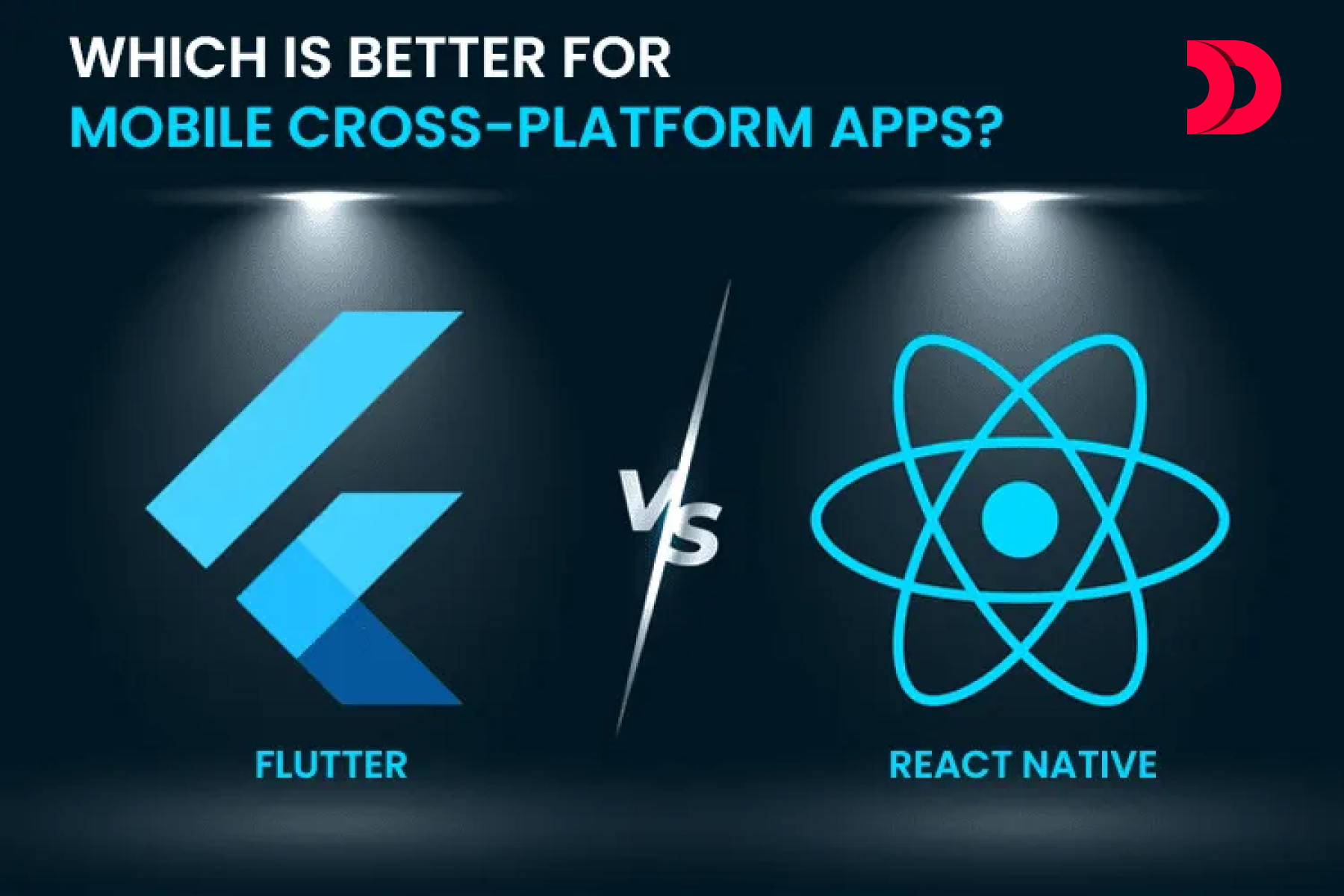
You will learn about two technologies, React Native and Flutter, if you spend enough time researching the methodologies and resources created for the creation of mobile applications. For creating Android and iOS apps, these two cross-platform development tools provide very engaging frameworks.
When there is such severe competition, it is always a good idea to weigh the two possibilities and identify each one’s advantages and disadvantages. This will assist you in identifying the option that will most effectively meet your needs and help you avoid spending money on a programme that is useless to you. So let’s start comparing Flutter vs React Native.
What Makes Flutter So Special?
When it comes to cross-platform app development, Flutter is without a doubt one of the most popular solutions on the market, thanks to its strong design and immensely powerful and versatile architecture. Google released Flutter in 2017 as a comprehensive solution for developing applications for Android, iOS, Linux, macOS, Windows, and other platforms.
Flutter’s outstanding user experience across all of these platforms is perhaps its most appealing selling point. Unlike many competitors, Flutter retains unprecedented consistency in design and development capabilities, allowing you to simply adapt your apps to numerous operating platforms.
Flutter’s growing popularity can be attributed to its high performance, simple setup, and vast library of pre-built widgets, which saved developers a lot of time and effort. Flutter is built on the Dart programming language, which contributes to its appeal as one of the easiest languages for novices and a versatile alternative for senior professionals.
Another aspect of this cross-platform app development tool that has made it popular among developers is its hot reload capability. This feature allows you to see the changes and updates you make to your code in real time, which can greatly accelerate the development and revision process.
React Native-: Another Powerful Cross-platform App
Recent Native, developed by Meta Platforms, Inc. in March 2015, is the second option on any list of the top cross-platform apps on the market. React Native is frequently used to create apps for Android, Android TV, iOS, macOS, tvOS, Web, Windows, and Universal Windows Platform.
Working with a react native app development business provides you with the benefit of employing a native-like platform with a well-crafted architecture that redefines the user experience to a whole new level. React Native enables you to reuse a major percentage of your software across platforms, significantly increasing development speed and efficiency.
React Native, like Flutter, gives customers access to a plethora of ready-to-use components and libraries. This is a vital feature as the platform continues to advance, pushed and backed strongly by the development community.
Some of the capabilities listed in these two apps can also be found in native frameworks. They do, however, have certain distinguishing traits. React Native, for example, includes a ‘live reload’ functionality, which is similar to Flutter’s hot reload in that it allows developers to observe code changes in real-time during the development phase.
Flutter vs. React Native Feature Comparison
Let’s take a look at how each platform stacks up against its formidable rival.
Performance
Skai, Flutter’s native rendering engine, is a well-known and popular choice for high-performance applications. The reliance on native components has significantly improved Flutter’s speed and has solved the majority of the performance issues related with managing complicated UI animations.
React Native, on the other hand, may not be the most robust option in terms of performance. The app is simply a bridge between a JavaScript engine and native code, reducing speed and performance quality by adding extra translation layers and interpretation processes.
Development Speed
Speed of Development These two apps use a very similar approach to development speed. We previously highlighted that Flutter uses its “hot reload” functionality to allow users to make real-time code changes in order to save time on development and possibly set up a quick feedback loop for more efficient collaborative endeavours.
React Native has “live reload,” which accomplishes the same goal but in a different way by reloading the entire JavaScript bundle anytime you make a change to your codebase and updating the UI at the same time. This has some advantages for UI-oriented projects, but it also slows development.
User Interface
In terms of user interface, both provide an excellent bundle. Flutter, for example, offers its own collection of widgets that can be customised. This saves developers the bother of designing suitable widgets and allows them to simply customise functionality regardless of platform.
React Native has a large collection of native components that look great on every platform. Finally, the decision will be based on the unique development requirements as well as the design style and strategy you wish to employ.
Flutter vs. React Native-: Final Thoughts
Both Flutter and React Native have undeniably established their worth in the market. Both are excellent cross-platform mobile app development options. React Native is certainly a better alternative if you want a more native-like experience. However, if you require maximum speed, flexibility, and performance, you should consider hiring Flutter app developers.
Keep in mind that, from a professional standpoint, even little alterations might drastically alter the outcome. So, make sure to visit our specialists and get their advice on the best framework for your specific needs. We will assess your project and develop a customised plan to meet all of your business objectives.
With innovative application development services, The One Technologies provides top-tier software development solutions to energise your business. We build websites with great precision and develop future solutions that pave the path for a brighter tomorrow. Contact us as soon as possible, and we will handle the rest.